Electric vehicles and power outages: Is this a cause for concern?
23 March 2026
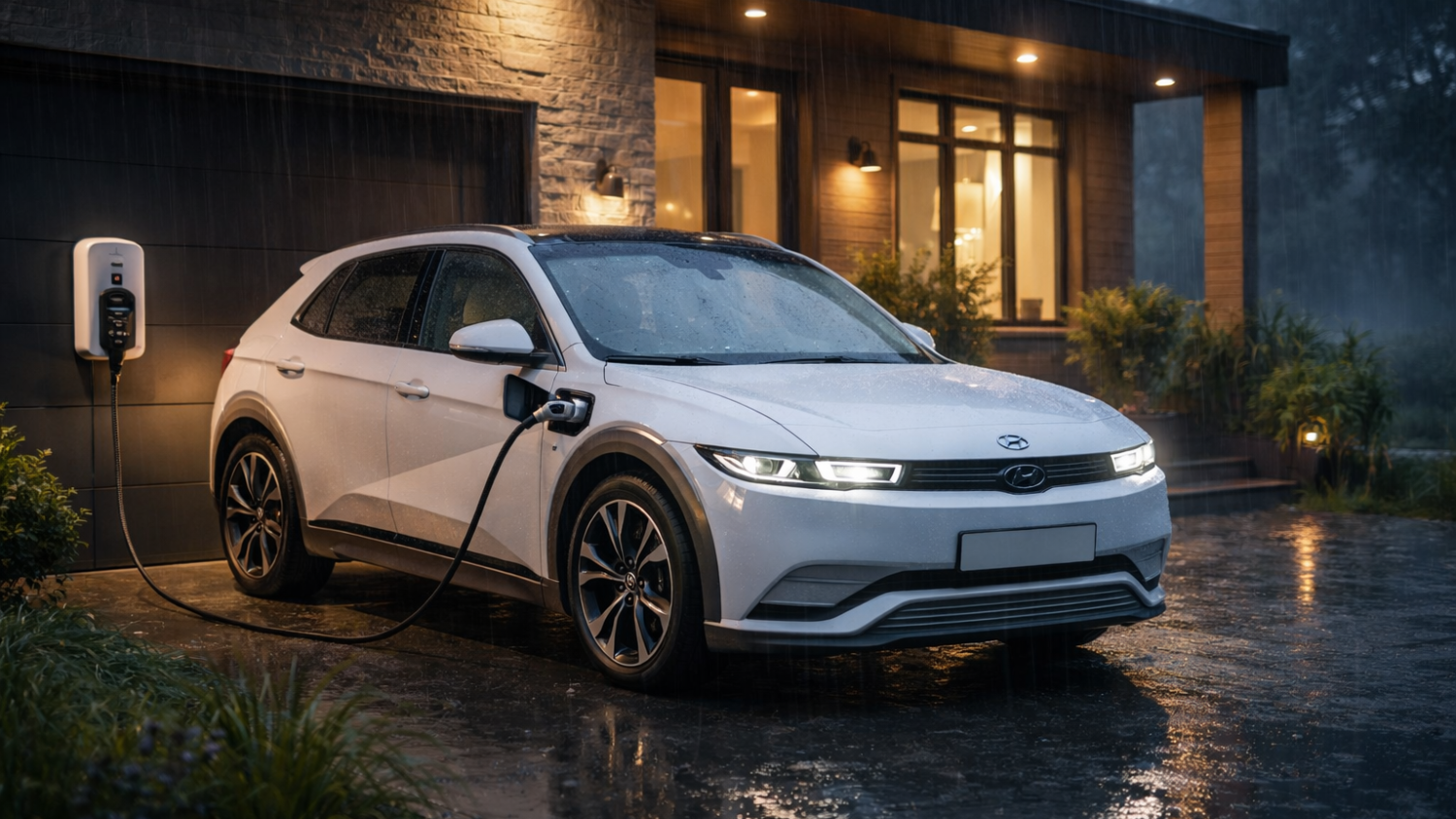
In Quebec, power outages are a fact of life, summer and winter alike! Snowstorms, ice storms, heavy rain, thunderstorms, or high winds can sometimes leave certain regions without power for several hours—or even several days. Given this, some people wonder if owning an electric vehicle could become a problem in the event of a power outage.
After all, if the power goes out, how do you charge your car? This is a valid question, but when you take a closer look, you realize that electric vehicles aren’t necessarily more vulnerable than gas-powered cars. In some cases, they can even offer useful solutions in an emergency. So should we really worry about electric vehicles during a power outage? Let’s take a closer look!
Gas stations also rely on electricity
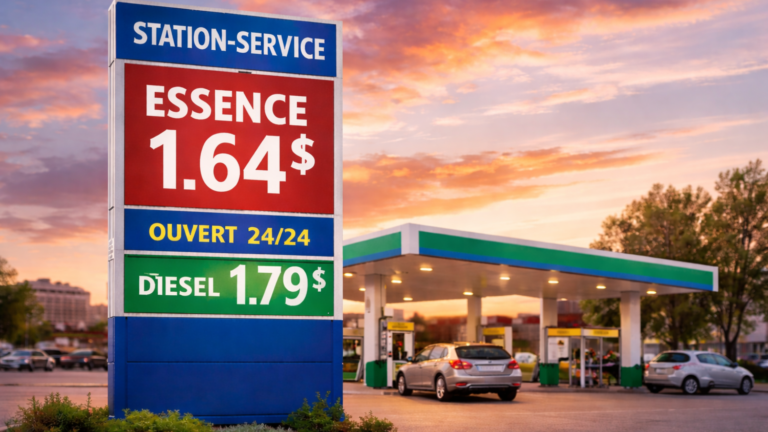
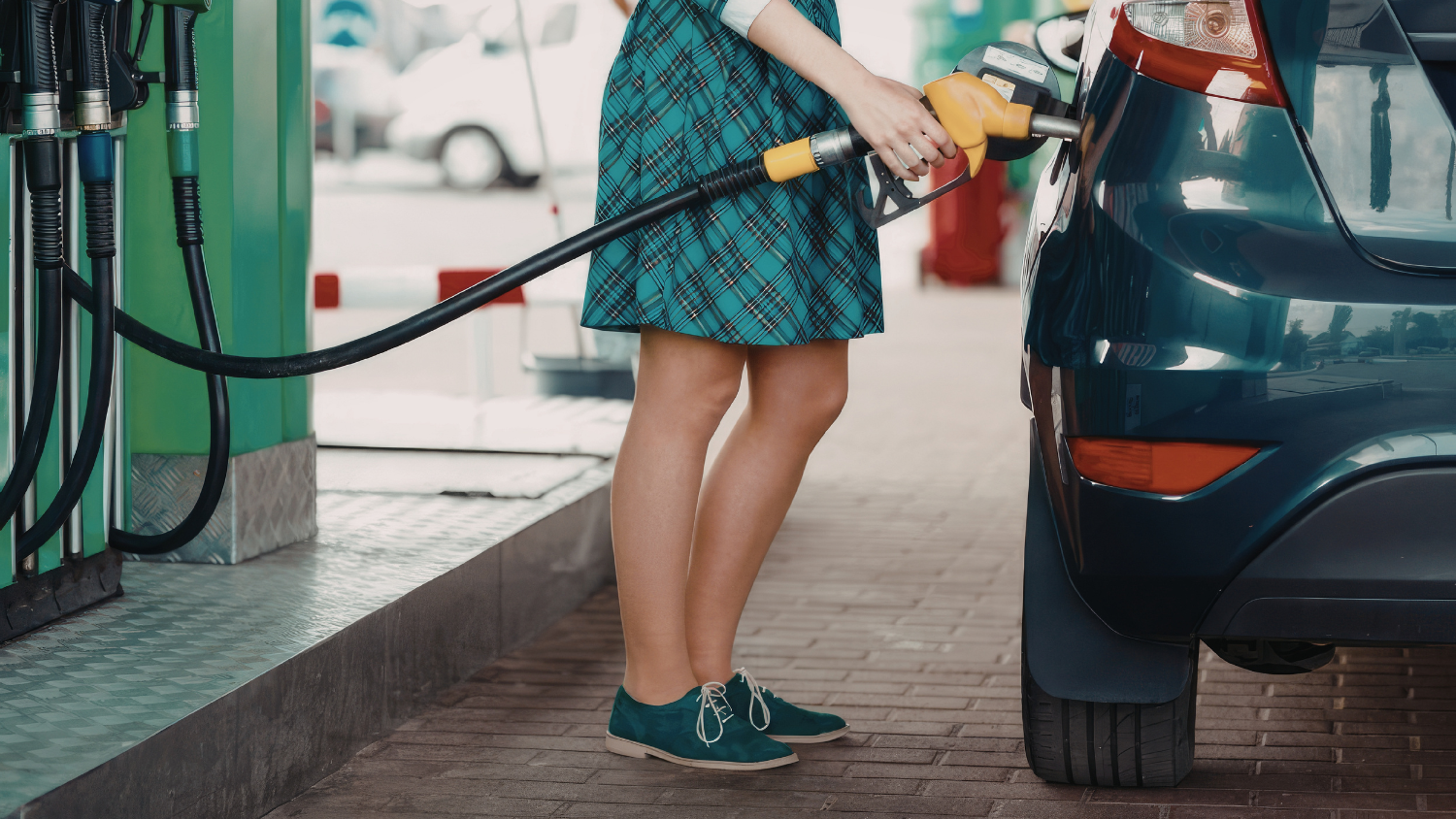
People often forget that gas stations also need electricity to operate. Gas pumps, payment systems, and even the station’s lighting all depend on the power grid.
During major outages, it’s not uncommon for several gas stations to temporarily shut down. Even if you drive a gasoline-powered vehicle, it can be difficult to find a place to fill up.
In other words, the reliance on electricity isn’t limited to electric vehicles. The entire fuel distribution system also depends on electricity!
A generator without gasoline isn’t much use
Along the same lines, some people mention the possibility of using a gasoline-powered generator in the event of a power outage. It is indeed a good solution for temporarily powering a home.
However, this solution also relies on one essential element: gasoline. Without fuel available, a generator becomes useless. If you don’t have a spare gas can, this can become a problem in an emergency. During prolonged outages, gas reserves can quickly run out, especially if gas stations aren’t operating.
This means that a home’s energy security often depends on access to fuel, and this can sometimes become problematic.
Generating Electricity at Home
With advances in energy technology, many households now have options for generating electricity directly at home.
One example is residential solar panels, which are becoming increasingly popular. Although their output varies depending on the season and sunlight levels, they can help power certain essential appliances.
In some regions, small domestic wind turbines can also supplement energy production. Combined with batteries or energy management systems, these technologies help increase energy self-sufficiency.
In this context, owning an electric vehicle can even become an advantage, as it fits naturally into an electricity-based energy ecosystem.
The Vehicle Battery as an Energy Source
One of the most interesting aspects of electric vehicles is their large built-in battery. Unlike gasoline-powered cars, which store only fuel, EVs have a significant reserve of electrical energy.
In certain situations, it’s possible to use some of this energy to power household appliances. This can be done using an inverter, a device that converts the battery’s direct current into alternating current that can be used by household appliances.
In practical terms, this means that an electric vehicle can serve as a temporary source of electricity for certain essential needs: lighting, charging phones, small electronic devices, or even some household appliances.
This capability can prove particularly useful during a prolonged power outage.
Increasingly advanced technologies
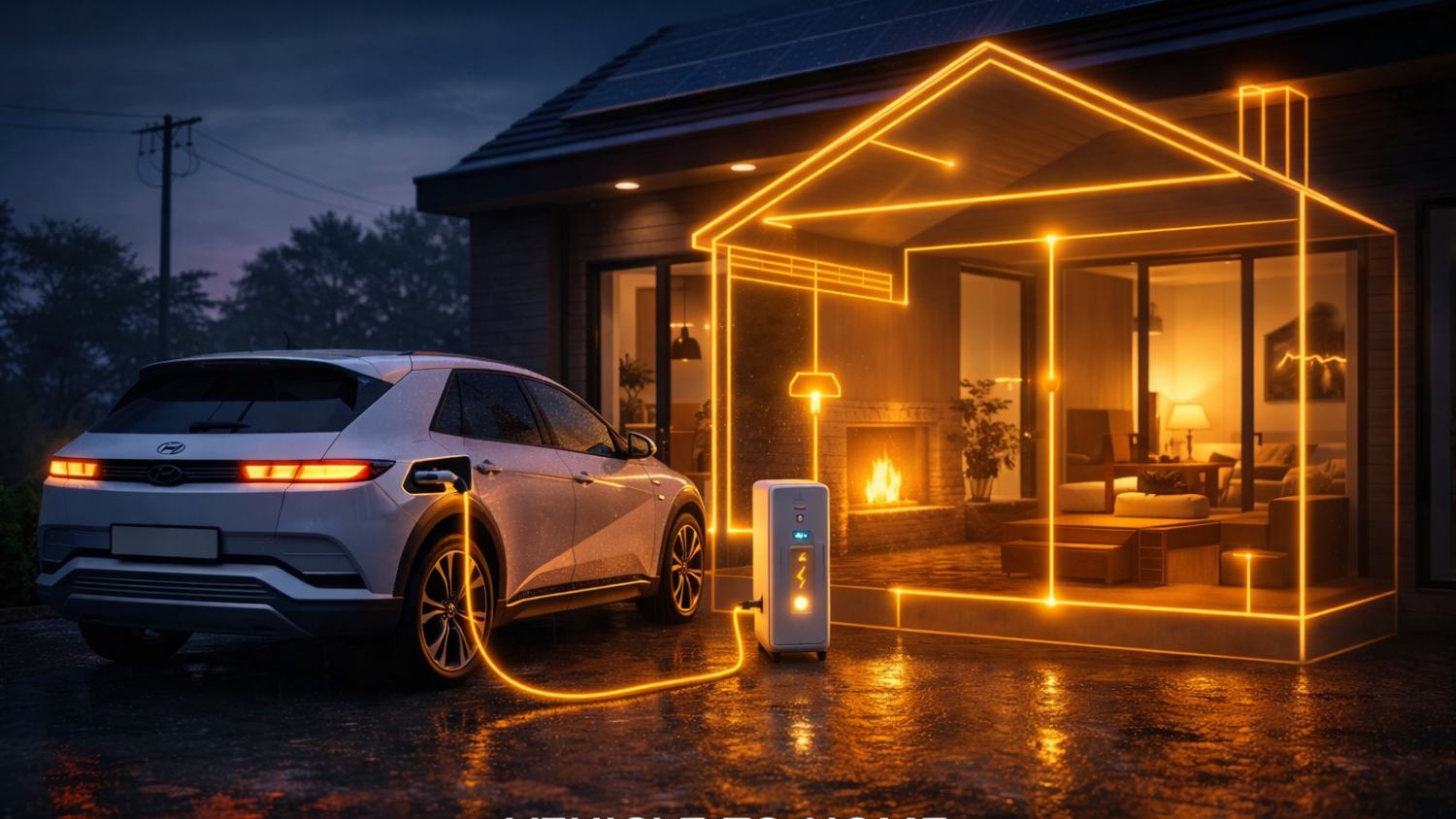
Automakers are also working to develop even more advanced technologies, such as vehicle-to-home (V2H) and vehicle-to-grid (V2G) systems.
These technologies enable the vehicle to automatically transfer some of its battery power to the home or the power grid. In some cases, an electric vehicle could power a home for several hours, or even several days, depending on the residents’ energy consumption.
Although these solutions are still under development or being rolled out gradually, they clearly demonstrate the potential of electric vehicles as a tool for energy management
A New Perspective on Energy
The issue of power outages highlights a broader shift in our relationship with energy. While gasoline-powered vehicles rely on a continuous supply of fuel, electric vehicles can be integrated into a more flexible energy system.
Home electricity generation, energy storage in vehicle batteries, and new energy-sharing technologies: all these innovations open the door to unprecedented solutions for dealing with the unexpected.
A CONCERN THAT IS OFTEN OVERBLOWN
Of course, no solution is perfect. Like any device that runs on electricity, electric vehicles rely on the grid for charging in most cases.
However, scenarios involving prolonged outages remain relatively rare. And in many situations, electric vehicles actually offer additional opportunities for energy management.
Rather than posing a risk, they can therefore be part of a more resilient energy strategy better suited to today’s realities.
In this context, electric vehicles do not represent a risk, but rather an opportunity to innovate in how we manage energy. At BEQ Technology, we are proud to actively participate in this transition by developing charging solutions tailored to today’s realities. For all your charging needs, our experts are here for you!
Together, we’re changing the world, one charging station at a time.