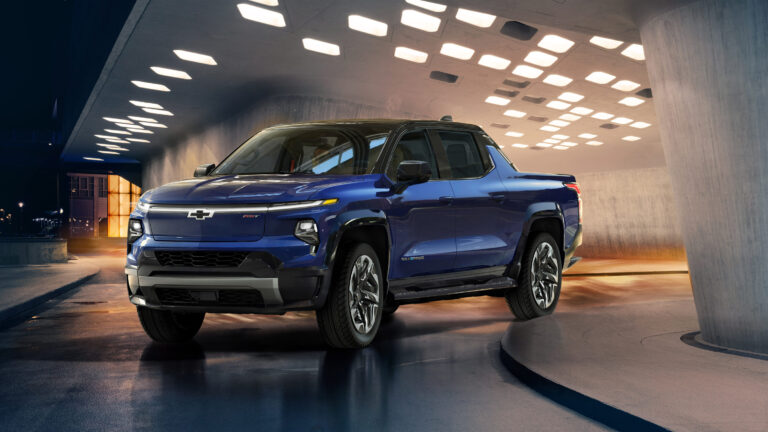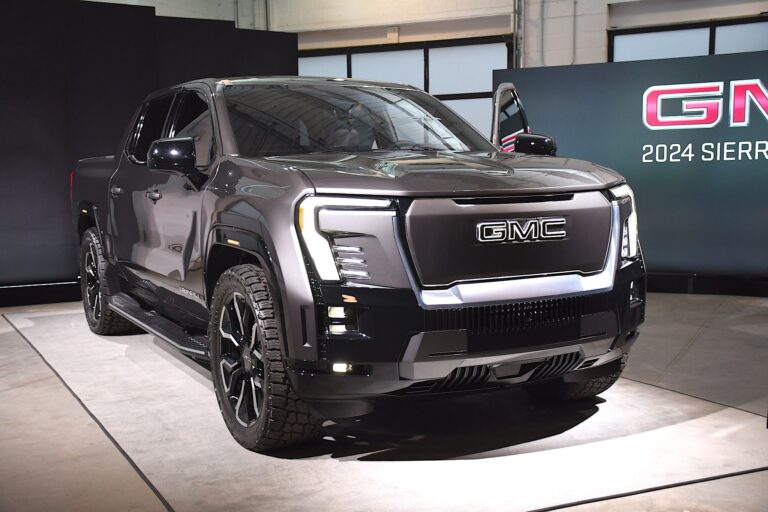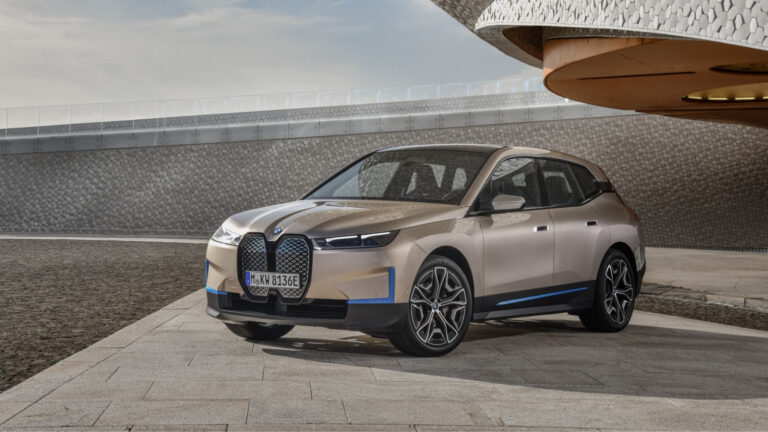
EV models eligible for the federal EVAP subsidy
24 February 2026
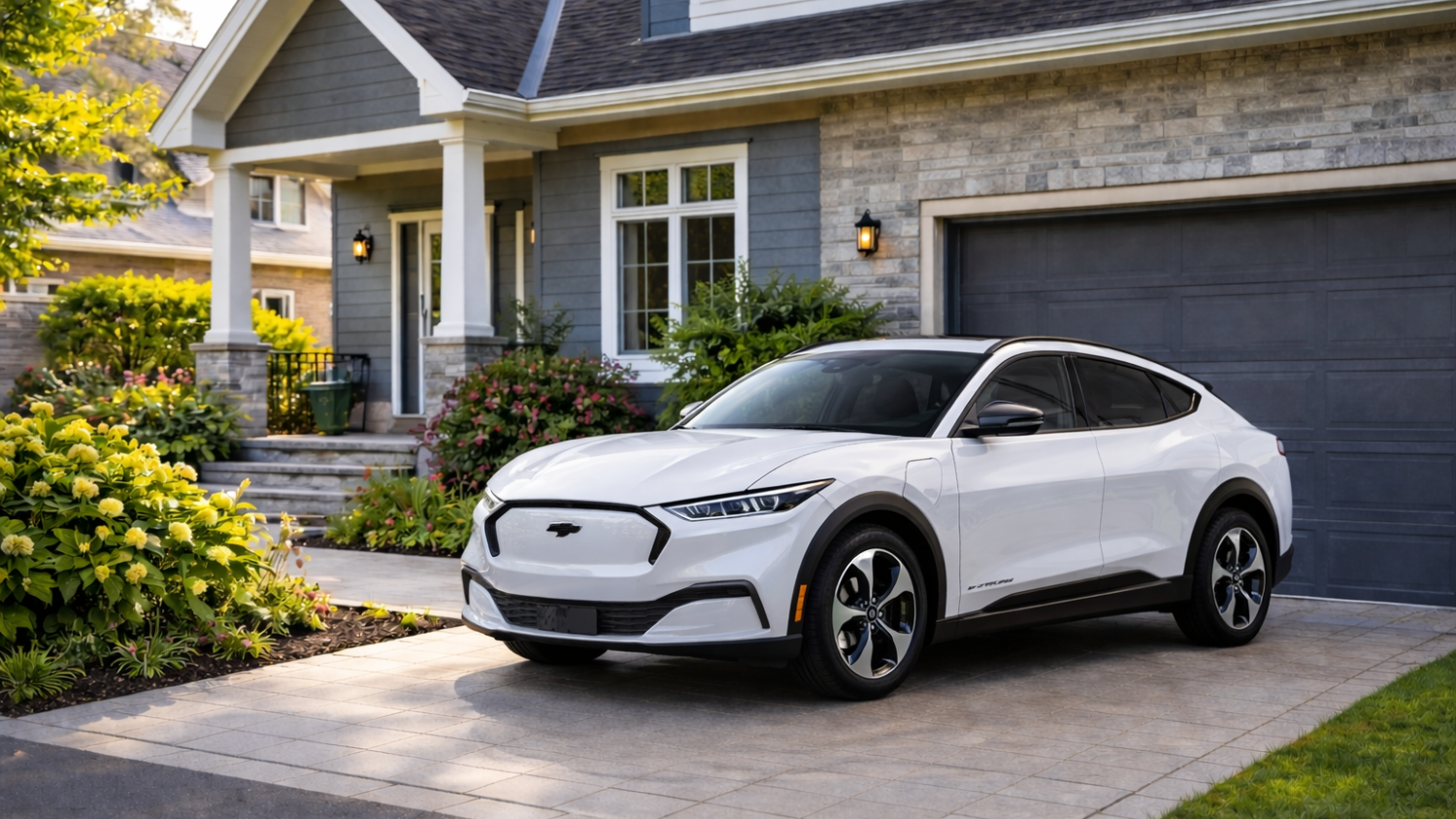
On February 16, 2026, Canada relaunched a federal program designed to help citizens make the switch to electric vehicles. Called the Electric Vehicle Affordability Program (EVAP), it replaces and modernizes previous federal rebate programs and offers significant financial assistance for the purchase or lease of affordable zero-emission or plug-in hybrid vehicles. Many EV models are eligible for the federal EVAP subsidy, which can be very beneficial for your wallet!
If you’re thinking about buying an electric vehicle this year, understanding what EVAP is, how much it offers, who can benefit from it, and why you should choose a model on the official list will help you optimize your project and get the best possible value.
Let’s take a look at the program’s main features, as well as the EV models eligible for the federal EVAP subsidy.

What is the Electric Vehicle Affordability Program (EVAP)?
EVAP is a Canadian federal program designed to make electric and plug-in hybrid vehicles more affordable for individuals and businesses. It applies to transactions (purchases or leases) made on or after February 16, 2026, and the official portal will open on March 31, 2026.
The main objective is simple: to reduce the cost of purchasing more affordable EVs so that more Canadians can switch to electric without facing financial barriers. Under this program, the focus is on so-called “affordable” EVs, and there are many models eligible for the federal subsidy, so you’ll be spoiled for choice!
How much does EVAP offer?
The program provides monetary incentives at the point of sale, applied directly at the time of purchase or lease, which means you won’t have to wait for a rebate after the fact. This is a very attractive feature, as it instantly reduces the total cost of your EV.
EVAP incentive amounts in 2026 :
- Up to $5,000 for a battery electric vehicle or hydrogen fuel cell vehicle.
- Up to $2,500 for a plug-in hybrid electric vehicle (PHEV).
These amounts are valid for transactions made in 2026 and are designed to gradually decrease over the following years, ending in 2031. This program is part of the federal government’s strategy to transition to EVs.
Therefore, planning to purchase an EV in 2026 will allow you to take advantage of the highest amounts available throughout the program period.
Who is eligible?
The EVAP is intended for:
Individuals who purchase or lease an eligible EV.
Canadian businesses and organizations that purchase or lease light-duty EVs (not heavy-duty commercial vehicles).
To be eligible, two main conditions must be met:
Vehicle type
Not all EVs are eligible for the federal subsidy. It is therefore essential to ensure that the car of your choice is on the official list of eligible EVs, but rest assured, you have many options!
Final transaction value
The final transaction value must be less than or equal to $50,000 for imported vehicles.
Models manufactured in Canada have no price limit for eligibility for the incentive, which is a clear incentive to support local manufacturing.
The final transaction value is the total price paid by the buyer, before taxes, options, and accessories, which means that a model with an eligible base price may sometimes exceed the threshold once equipped.
Eligible models
Transport Canada publishes an official list of eligible vehicles based on their suggested retail price and compliance with EVAP rules.
Please note that this list is subject to change and may be modified at any time without notice.
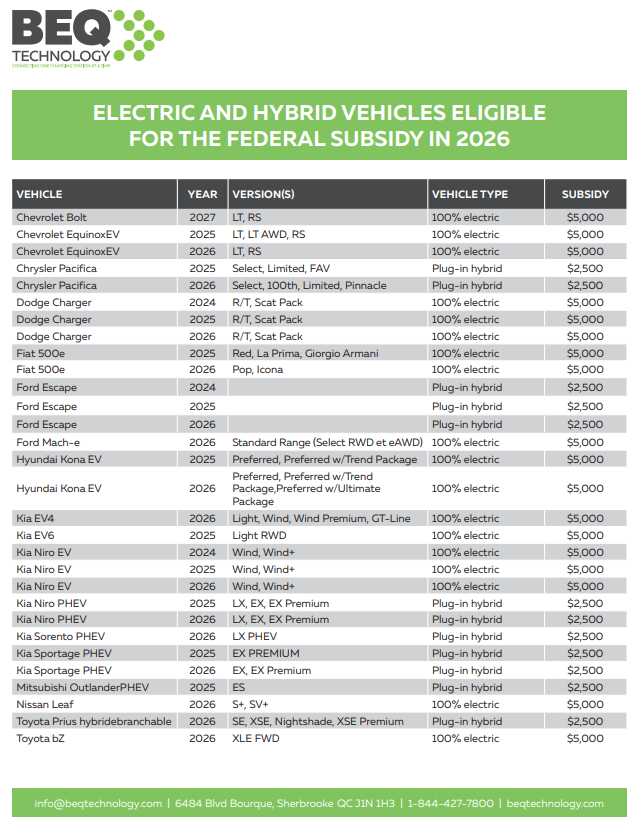
Battery electric vehicles (up to $5,000)
Eligible models with the maximum rebate include:
- Kia EV4
- Chevrolet Bolt
- FIAT 500e
- Hyundai Kona Electric
- Ford Mach-e
- Toyota Bz
These vehicles offer a range of ranges, from compact formats to SUVs, with 100% electric technology.
Plug-in hybrids (up to $2,500)
For drivers who want a more gradual transition, a few models are eligible:
- Kia Niro PHEV
- Toyota Prius Plug-in
- Mitsubishi Outlander PHEV
These models combine an electric motor for everyday driving with a combustion engine for long distances, which can be ideal if you don’t have a charging station at home.
Why choose a model from the EVAP list?
Immediate savings at purchase
The incentive is deducted at the point of sale, which means a direct reduction in the price you pay, often even before financing or insuring the vehicle.
Lower total cost of ownership
EVs generally have fewer moving parts, require less maintenance, and have lower energy costs than gasoline-powered vehicles, which reduces long-term costs.
Practical tips before buying
Check the final transaction value
Even if a model is on the list, make sure that the price with options does not exceed $50,000 before taxes if the vehicle is not manufactured in Canada.
Plan your purchase before incentives decrease
Discount amounts will decrease after 2026 according to the program structure, so buying earlier can mean more savings.
Confirm details with your dealer
Dealers have access to the official updated list and can confirm the eligibility of the model, especially for certain versions or configurations.
A SUBSIDY, GREAT SAVINGS
The Electric Vehicle Affordability Program is a major opportunity to make purchasing an EV or plug-in hybrid more affordable in 2026. With rebates of up to $5,000 for battery EVs and $2,500 for plug-in hybrids, it offers a tangible financial incentive that can tip the scales in favor of electric.
The fact that Canadian-made vehicles are eligible without a price limit also enhances the program’s appeal for supporting local industry.
By choosing a model from the official list of eligible vehicles, you can not only reduce the immediate purchase cost, but also take a significant step toward cleaner and more economical mobility for years to come.
Since an electric vehicle needs a charging station to refuel, BEQ Technology offers a wide selection of charging stations and can help you choose the one that’s right for you. Psst, there are also subsidies available for charging stations!