Subsidies for charging stations in Quebec and Canada in 2026
18 February 2026
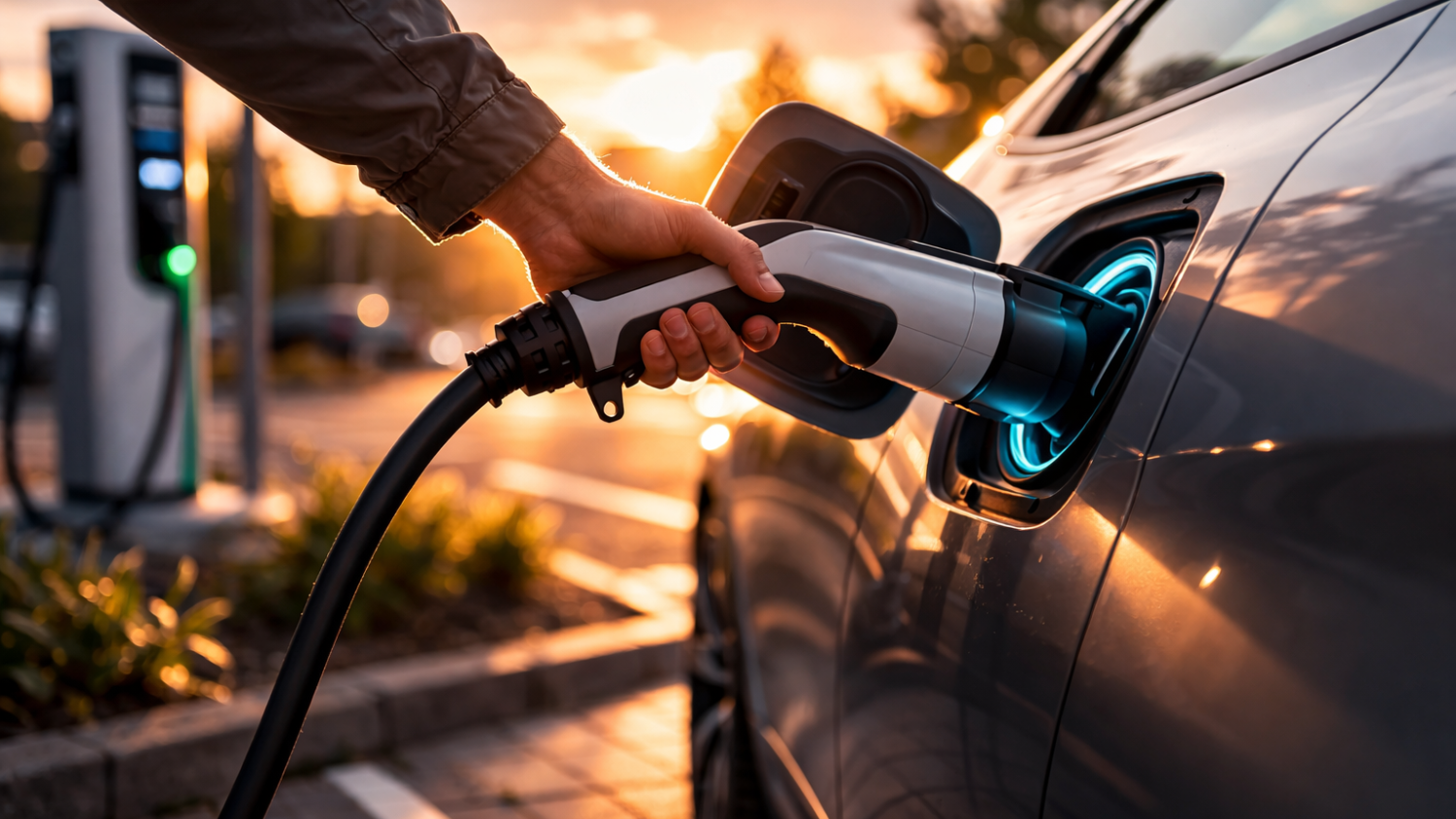
The electrification of transportation continues to accelerate in Quebec and across Canada. With the steady increase in the number of electric vehicles on our roads, the demand for residential, commercial, and multi-unit charging stations continues to grow.
The good news is that in 2026, several subsidy programs for the installation of charging stations are still available to support this energy transition. Whether you are an individual, a business, or a property manager, there are financial incentives that can significantly reduce your purchase and installation costs.
Here is an overview of the main subsidies for charging stations available in 2026.
Subsidies for charging stations in Quebec
Roulez vert program – Residential charging station component
The Quebec government’s Roulez vert program remains one of the most popular programs for electric vehicle owners.
In 2026, it generally provides:
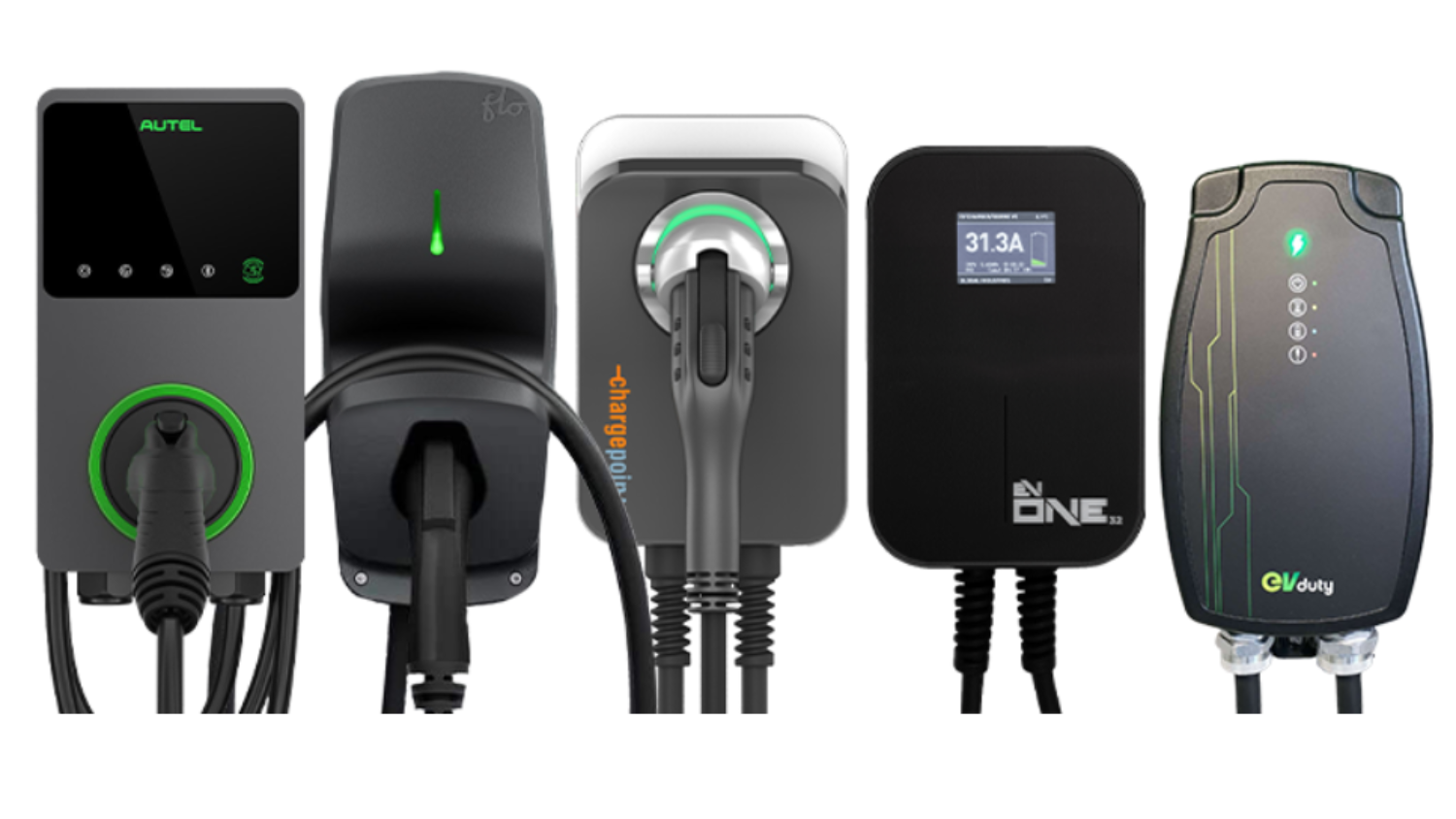
Financial assistance for the purchase and installation of a Level 2 residential charging station;
An amount covering a significant portion of the equipment and installation costs.
To be eligible:
- You must own an eligible electric vehicle;
- The station must be new and installed by a qualified electrician;
- The installation must comply with current electrical standards.
As a result, the actual cost of a home charging station can be significantly reduced.
Please note, however, that this program ends this year, so the subsidy is only available until December 31, 2026.
Multi-unit housing and businesses
Quebec also offers assistance for multi-unit buildings, businesses, municipalities, and public organizations.
These programs aim to support the installation of charging stations in residential building parking lots, the electrification of fleets, and the implementation of publicly accessible charging stations.
In many cases, subsidies cover a percentage of eligible costs related to the purchase of charging stations, electrical work, load studies, and distribution infrastructure.
For condominiums and property managers, this assistance represents a major lever for modernizing their facilities and meeting the growing demand from residents.
Federal subsidies for charging stations
In addition to provincial programs, the Government of Canada also offers programs to support the deployment of charging infrastructure.
Zero-Emission Vehicle Infrastructure Program (IVEZ)
This federal program supports businesses, organizations, municipalities, and owners of multi-unit residential buildings.
It targets the installation of charging stations in workplaces, multi-unit residential buildings, commercial fleets, and public parking lots.
Contributions can cover a significant portion of eligible costs, including the purchase of charging stations, installation, and necessary electrical upgrades.
Can subsidies be combined?
Yes! That’s where the advantage becomes particularly interesting.
In many cases, it is possible to:
Combine a provincial subsidy with a federal program;
Significantly reduce the total cost of the project;
Improve the return on investment.
For a business or condominium, this can make the difference between a postponed project and a profitable project right now.
At BEQ Technology, subsidy analysis is an integral part of planning a charging project. Our experts can advise you every step of the way!
Why is 2026 a strategic year for installing charging stations?
Several factors make 2026 a particularly interesting year:
- The number of electric vehicles continues to grow rapidly.
- Corporate environmental obligations are becoming more stringent.
- Tenants and co-owners are increasingly demanding suitable facilities.
- Current assistance programs may change or be reduced in the coming years.
Installing charging stations now allows you to take advantage of available financial incentives, increase the value of a building, improve commercial attractiveness, and position yourself as a committed player in the energy transition.
How much does a charging station actually cost after the subsidy?
The cost varies depending on several factors:
- The type of charging station (residential, commercial, smart);
- The available electrical capacity;
- The work required;
- The need for a load study;
- The distribution infrastructure to be provided.
With subsidies, the net cost can be significantly reduced, especially in multi-station or commercial projects.
A well-planned project often makes it possible to optimize available power, integrate load-sharing solutions, and even plan for future growth in the EV fleet.
Positive impact for everyone
Subsidies for charging stations don’t just benefit EV owners.
They have a collective impact:
- Reduced greenhouse gas emissions
- Decreased dependence on fossil fuels
- Creation of specialized jobs
- Modernization of building infrastructure
- Increased property values
By facilitating the installation of charging infrastructure, governments are accelerating the transition to a more sustainable and resilient transportation model.
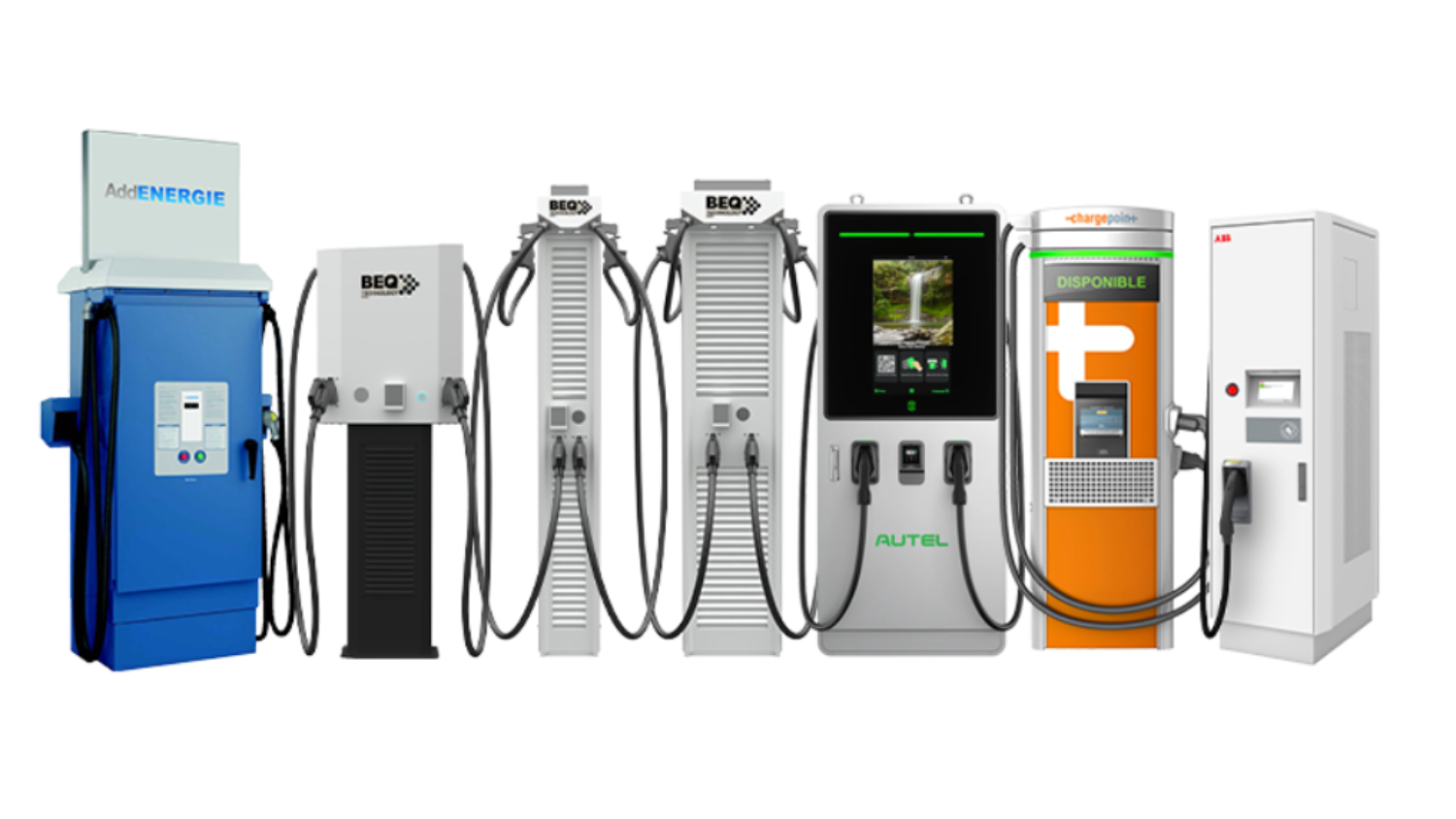
TAKE ADVANTAGE OF SUBSIDIES TODAY
Subsidies for charging stations in Quebec and Canada in 2026 represent a concrete opportunity to reduce installation costs and accelerate the electrification of transportation.
Whether you are an electric vehicle driver, a building manager, a company looking to electrify its fleet, a municipality, or a public organization, there are programs tailored to your situation.
At BEQ Technology, we support our customers in technical analysis, planning, and identifying applicable subsidies to maximize savings and ensure a compliant, high-performance, and scalable installation.
Electrification is advancing, and financial incentives make now the ideal time to take action. Take advantage of it!