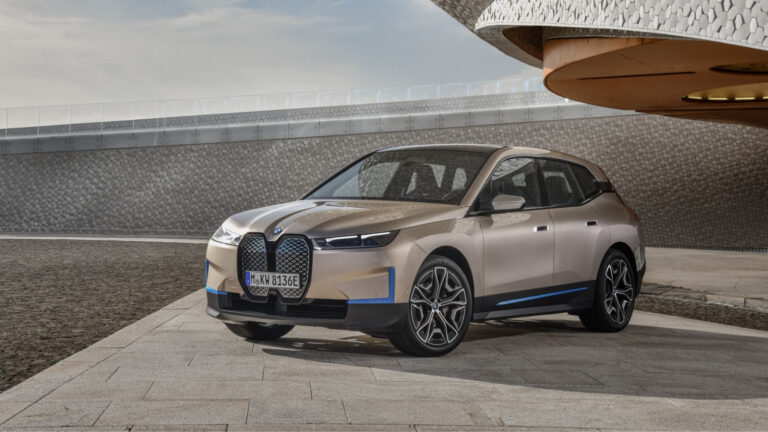
Rising gas prices: electric vehicles are gaining popularity
12 March 2026

In recent years, EVs have gradually gained ground in the Canadian automotive market. However, in 2026, several factors appear to be accelerating this transition. These include political tensions and rising gas prices, two factors that play a major role in consumer decisions. In an increasingly unpredictable political climate, many drivers are turning to more economical and sustainable solutions, contributing to the popularity of electric cars.
We will therefore examine the impact of rising gas prices on the popularity of electric vehicles.
Rising gas prices
Fluctuations in fuel prices are nothing new, but they have become constant in recent years, and even more pronounced in recent weeks. In Quebec, as elsewhere in Canada, motorists have recently experienced significant increases at the pump. For example, some regions have seen gas prices rise by 10 to 15 cents per liter in just a few days, mainly due to geopolitical tensions and volatility in the oil markets.
Some forecasts even suggest an increase of around $0.25 per liter, which represents a significant increase for many consumers!
Unfortunately for gas-powered car owners, this trend is likely to continue. For many drivers, this reality raises a simple question: is it still cost-effective to drive a gas-powered car?
A positive impact on electromobility
With fuel prices on the rise, electric vehicles are becoming even more attractive financially. Although the initial purchase price of an EV is sometimes higher than that of a gasoline-powered vehicle, several factors contribute to reducing this gap over time.
First, the cost of electricity is much lower, at least in Quebec. Charging an electric vehicle at home costs a fraction of the price of a tank of gas. In the long term, this difference can represent thousands of dollars in savings!
Second, since electric vehicles have fewer mechanical parts than combustion engines, they require less maintenance and repairs. The absence of engine oil, exhaust systems, or complex transmissions significantly reduces certain maintenance costs, which means fewer visits to your mechanic and much lower bills! Of course, like any vehicle, an EV can break down and need repairs. However, in general, it is less expensive to maintain than a gas-powered car.
For many drivers, the combination of fuel and maintenance savings makes EVs increasingly attractive, especially when gas prices are rising as they are now.
The growing popularity of EVs
In Canada, and particularly in Quebec, the popularity of electric vehicles continues to grow. Analysts are observing continued market growth, as we have seen in recent AVEQ studies. The growing popularity of EVs is supported in particular by technological advances, the global economic and political climate, and changing consumer attitudes.
Sales of electric vehicles now represent an increasingly significant share of the automotive market, and projections suggest that this growth will continue in the coming years.
The impact of charging policies and infrastructure
The transition to electric mobility does not rely solely on consumers. Governments and businesses also play a crucial role in this evolution.
In Canada, authorities have been working for several years to implement policies aimed at accelerating the adoption of zero-emission vehicles. The long-term goal is to promote a gradual transition to a less polluting and less fossil fuel-dependent vehicle fleet.
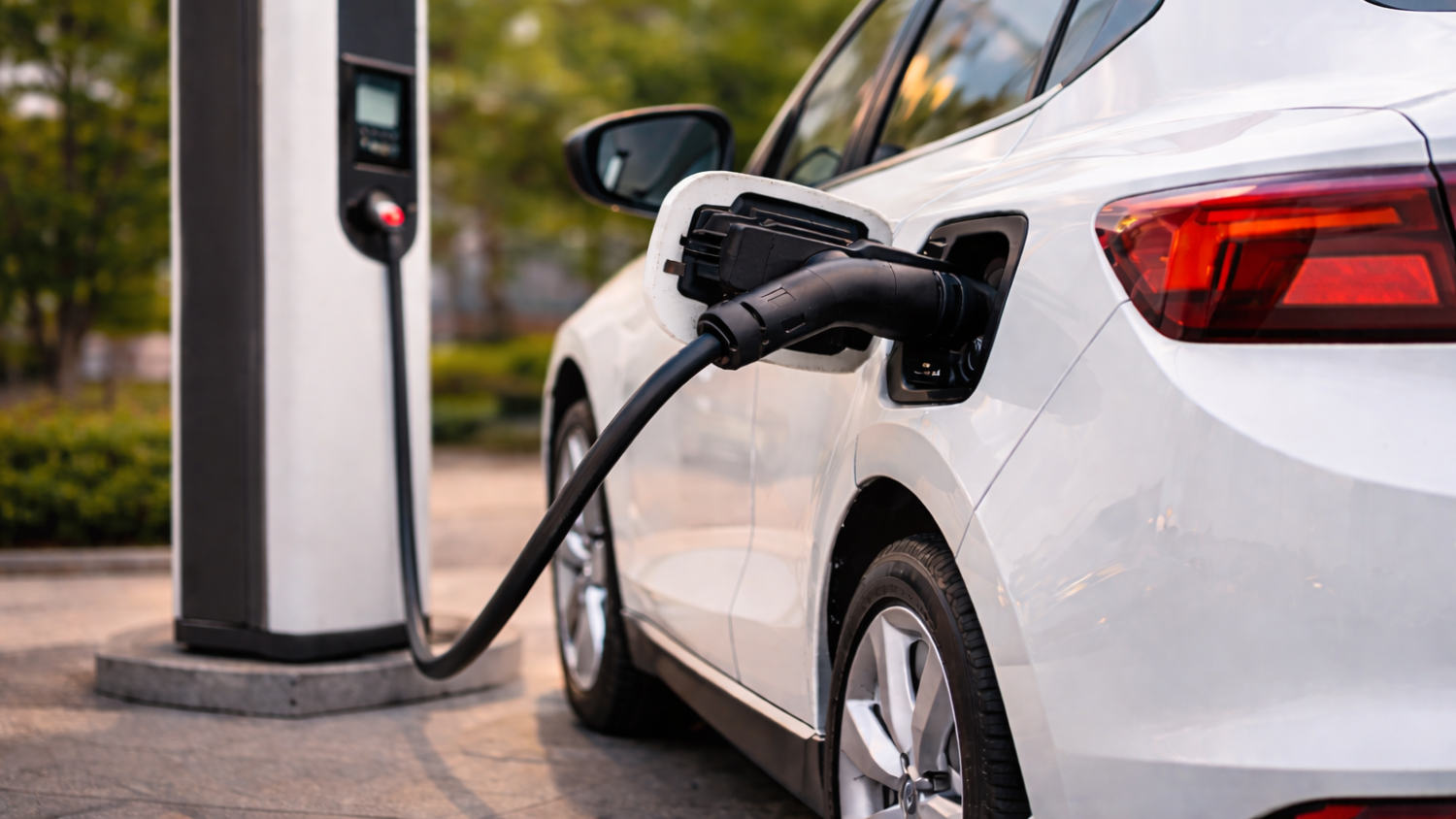
At the same time, the development of the charging station network is helping to alleviate one of consumers’ main concerns: EV range. Charging infrastructure is increasingly popping up in cities, along highways, and even in workplaces.
This expansion facilitates the daily use of electric vehicles and strengthens consumer confidence in electromobility. It is also important to mention that while this public charging network is not free, it is very affordable. Let’s not forget that charging at a Level 2 station, which many employers now make available to their employees, costs only a few dollars. Charging at a Level 3 station, found in public parking lots for example, is a little more expensive, but the bill is generally less than $20.
Remaining challenges
Despite their growing popularity, electric vehicles are still a source of debate among many consumers.
The initial purchase price remains a barrier for some consumers, even though the long-term savings can offset this investment. Access to a charging station at home or at work can still cause some headaches for certain electric vehicle drivers, but in general, this is no longer a widespread problem.
It is true that some regions still have a less developed charging network, which can limit the adoption of EVs in rural areas. However, the charging network is constantly developing, and public charging stations are becoming more numerous and widespread across the country.
In short, these challenges exist but are tending to diminish over time. Battery costs continue to fall, charging infrastructure is developing, and automakers are increasing the number of models available to better meet the needs and financial realities of consumers.
An inevitable transition
Rising gas prices are acting as a powerful catalyst in the transition to electric vehicles. For many drivers, the economic argument is becoming difficult to ignore, given the ongoing tensions with our southern neighbors and the resulting political instability.
As fuel costs are likely to continue rising in the coming years, more and more motorists are considering electric vehicles as a logical solution to reduce their expenses and limit their dependence on oil market fluctuations.
This development marks an important step in the transformation of the automotive sector. Electric vehicles are no longer just a trend: they are now an essential component of tomorrow’s mobility.
BE PART OF THE CHANGE WITH US
Electric vehicles are growing in popularity, and all signs point to this trend continuing in the coming years. With energy costs and political and economic realities changing rapidly, electric vehicles are becoming an increasingly attractive option for many drivers.
At BEQ Technology, we believe that electromobility plays a key role in the future of transportation, and we are proud to contribute to this evolution by offering reliable charging solutions tailored to the needs of electric vehicle drivers.
Together, we are changing the world, one charging station at a time.