Electic Mobility: A Remarkable Technological Advancement
20 August 2026
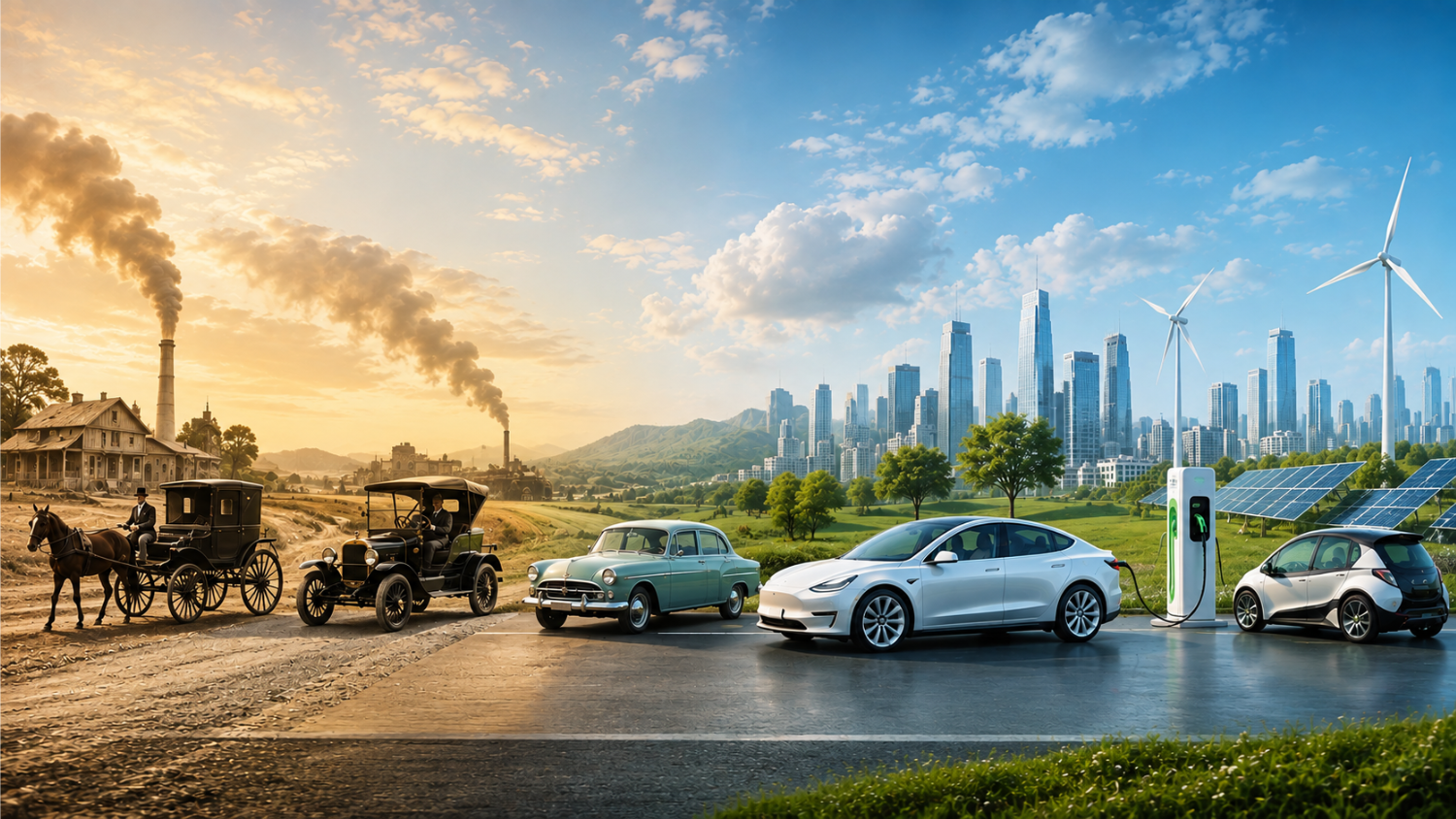
Just a few years ago, switching to an electric vehicle could raise several concerns: limited range, long charging times, a lack of public charging stations, a more limited selection of vehicles, uncertainty about winter performance, and so on.
In 2026, however, the picture has changed considerably!
Electric vehicles and charging infrastructure have evolved rapidly, to the point where the concerns that once held drivers back are now virtually nonexistent. Batteries offer greater range, fast charging makes long trips easier, and charging stations are increasingly available in our cities, workplaces, apartment buildings, and along major highways.
In short, electric mobility has come a long way. Let’s take a look at how this significant technological evolution has played out over the past few years.
IMPROVED RANGE
Today, the situation is quite different.
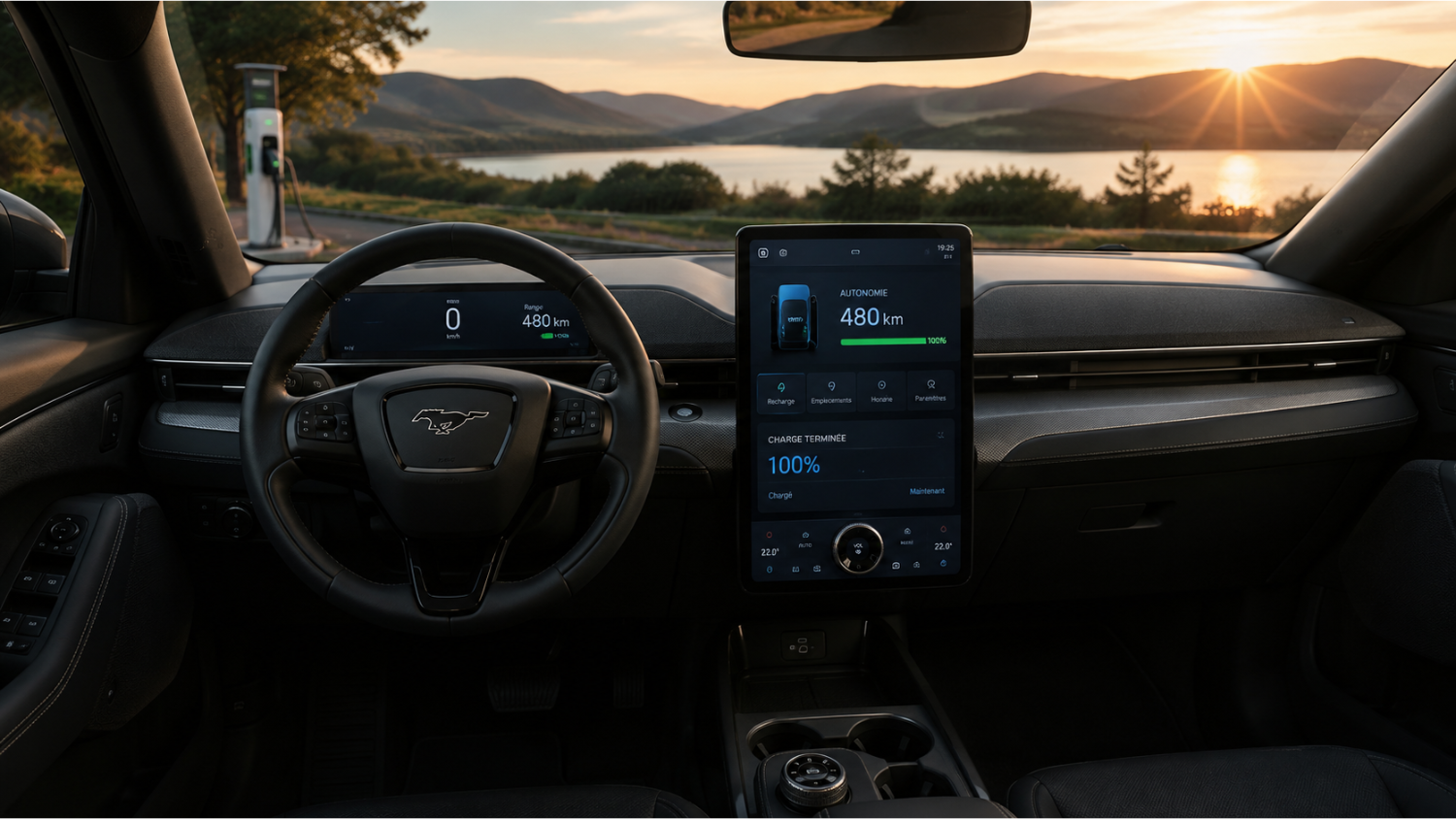
Batteries have become more powerful and efficient, while manufacturers have improved energy management, vehicle aerodynamics, and thermal management systems. As a result, many recent EVs offer more than enough range for daily commutes and make long trips much more feasible.
Of course, range is still influenced by several factors, including outside temperature, speed, cabin heating, and driving habits. In particular, Quebec’s cold weather continues to affect lithium-ion batteries. But technologies for managing battery temperature and preparing the vehicle before departure make the experience much better suited to our climate than it was in the early days of electric mobility.
BETTER ACCESS TO FAST CHARGING
Another major development concerns charging speed.
At home, Level 2 charging generally allows you to recharge the necessary energy while the vehicle is parked for several hours, particularly overnight. This is, in fact, one of the major advantages of EVs: rather than having to go to a gas station every time, you can start your day with a fully charged vehicle.
On the road, DC fast-charging stations have also greatly improved the experience. According to Natural Resources Canada, a fast charge can take about 20 to 30 minutes, depending on the vehicle, the station, and the conditions.
A break to eat, grab a coffee, or stretch your legs can therefore be enough to recharge a significant amount of energy before continuing your journey.
The vehicles themselves can also handle increasingly higher charging power.
As a result, for many recent models, long trips are much easier than they were a few years ago.
A MUCH MORE EXTENSIVE CHARGING NETWORK
However, improvements to vehicles alone would not be enough without parallel advancements in infrastructure.
And in this regard, too, things have changed.
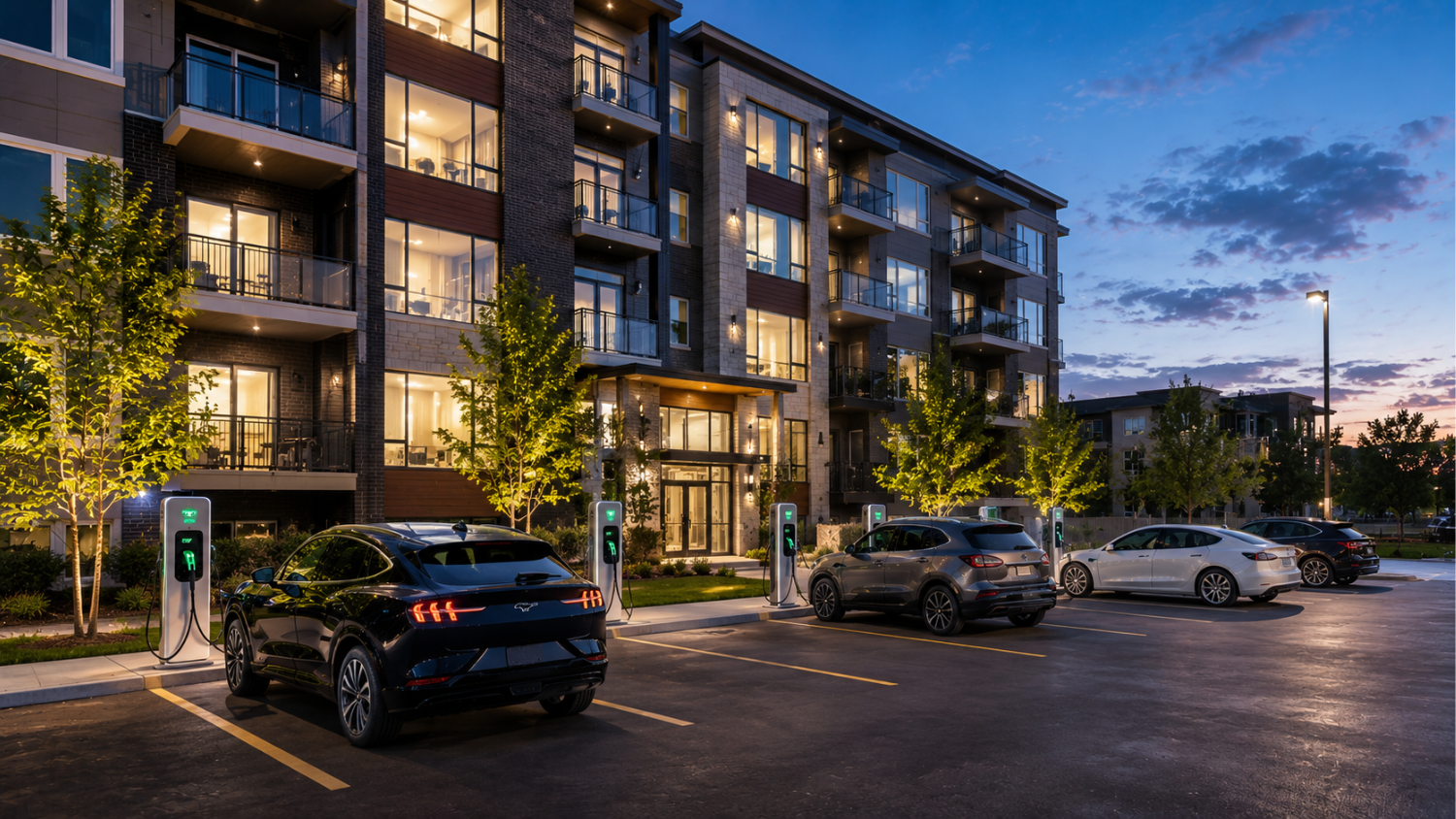
Charging stations are now available in a variety of locations: retail stores, hotels, municipal parking lots, workplaces, apartment buildings, and along major roadways. Natural Resources Canada notes that Canada’s network of public charging stations continues to grow rapidly to meet demand.
The federal government has also invested heavily in infrastructure development. Since 2016, Canada has invested more than one billion dollars to, among other things, make charging more accessible, and the Zero-Emission Vehicle Infrastructure Program (PIVEZ) is helping to deploy charging stations in the places where Canadians live, work, and travel.
This expansion is gradually reducing what is known as “range anxiety.” It is becoming much easier to plan a trip and identify in advance where to stop to recharge.
SMART RESIDENTIAL CHARGING STATIONS
Charging station technology has also evolved significantly.
Smart charging stations allow users to schedule charging times, monitor energy consumption, and—depending on the system used—optimize charging based on the driver’s needs or available electrical capacity.
Power management solutions are also particularly beneficial for single-family homes, multi-unit residential buildings, and businesses. They allow for better distribution of available power among different appliances or multiple vehicles, making it easier to integrate a growing number of EVs without necessarily having to oversize the entire electrical system.
This is a significant development: charging is no longer simply a matter of plugging in a car. It is now part of a comprehensive energy management strategy.
CHARGING IN MULTI-FAMILY BUILDINGS IS BECOMING MORE ACCESSIBLE
Living in a condo or apartment building used to be a major obstacle to buying an electric vehicle. Installing a charging station in a shared parking lot could quickly become complicated.
However, the solutions available today better address this reality.
In fact, Quebec now supports various multi-unit residential charging projects through the Écorecharge program, including needs assessments, electrical infrastructure upgrades, and charging station installations.
For some projects, energy management systems also allow for the smart sharing of available power among multiple charging stations. This makes it possible to gradually prepare a building to accommodate more electric vehicles.
FINANCIAL INCENTIVES STILL AVAILABLE IN 2026
Although the programs have evolved over the years, certain financial incentives are still available in Quebec in 2026.
Under the Roulez vert program, an eligible new all-electric vehicle can receive up to $2,000 in financial assistance in 2026. The program also provides funding for certain plug-in hybrid vehicles and certain used electric vehicles.
When it comes to charging, the new Écorecharge program offers up to $600 in assistance for the purchase and installation of a home charging station. Separate measures are also available for multi-unit residential buildings, businesses, and organizations.
However, it’s important to check the eligibility criteria before making a purchase, as programs and amounts are subject to change.
Electric mobility is here to stay
Electric vehicles are no longer an experimental technology reserved for a handful of enthusiasts. They are now an integral part of the automotive landscape.
Longer range, faster charging, an expanding public charging network, smart charging stations, better solutions for multi-unit residential buildings, and financial support: many of the obstacles that made drivers hesitant a few years ago have been significantly reduced.
This doesn’t mean that an EV is automatically right for every driver or every situation. But for a large portion of Quebec drivers, the technologies available in 2026 make the transition much simpler, more convenient, and more reassuring than before.
Still hesitant to switch to electric? Learn about the vehicles that suit your travel needs and the charging solutions tailored to your home or business. With a well-planned installation, going electric has never been more accessible.